So.. we have seen how insect is a food option for about 2 billion people worldwide. Which are the major countries whose people eat insects and what are the popular insect dishes and delicacies..?
In the Americas, Mexico is the biggest consumer of insects, eating over 100 different varieties including the grasshopper, ant eggs, agave worms, wasps and bees. In The US and Canada protein bars made of insect flour is fast catching up. Guatemala people eat the leaf-cutter ant. In Venezuela , people eat earthworms, cactus weevil and the giant water-bug.
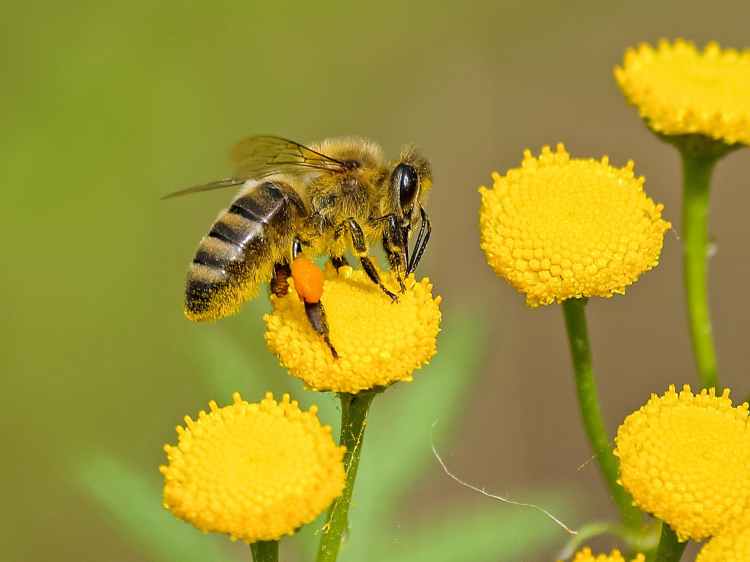
In Europe, the French people and Belgians are consuming caterpillars and the Germans eat bee larvae and Italians consume the prized cazu marzu cheese, which is made with live insect larvae.
In the African continent, by far the major consumer of insects, almost all the countries have a rich entomophagical tradition. Palm weevil larvae ,locusts, caterpillar and mopane worm, bee larvae, weaver ants and giant water-bugs. There are many insects eaten throughout the continent including bagworm pupae, water scorpions, mayfly, termites, crickets, mealworms and moths.
In the Asian continent, Thailand, which was untouched by the European colonisers, have a rich and diverse insect eating tradition, followed by Vietnam ,Laos, Cambodia, Japan, South Korea and China. Indonesians have a tradition of eating dragon flies. More over asian widely consume crickets, wasps, bee larvae, grasshoppers, silkworm, ant eggs, bamboo worms waterbugs, cicada, locusts, centipedes, dragonflies , scorpions, termites and stink bugs are widely consumed.
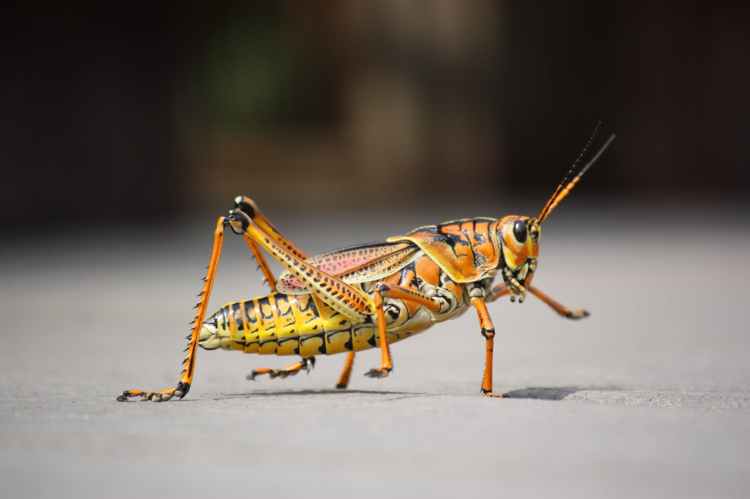
In India, more than 300 insect species are consumed, in 11 states.
In the Oceania, Australians consume witchetty grub, bees, honeypot ants and Christmas beetles. Papua New Guineans eat sago grub, walking stick and dragonflies and the New Zealanders devour upon grasshoppers.
Some of the insects used in delicacies in major countries include:
Australia: Honey Ants for its sweet n sour taste
Uganda: Queen termites for its delicate sweetness
Mexico: Red agave worms as Pizza toppings, desert ant eggs
Indonesia: Dragon flies boiled in coconut milk.
Kenya: Termites, eaten live for their juicy consistency or fried
Japan: Silk worms cooked with soy sauce
Thailand: Bamboo worms and scorpions are widely preferred
China: adult Bees are grounded into flour and used.
Venezuela: Earth worms are part of traditional diet.
Columbia: Big-butted ant is a wedding gift and delicacy.
(Source: Could insects be the food of the future, Emily Anthes, BBC Future and Small stock foods).
The list is only indicative and not exhaustive.
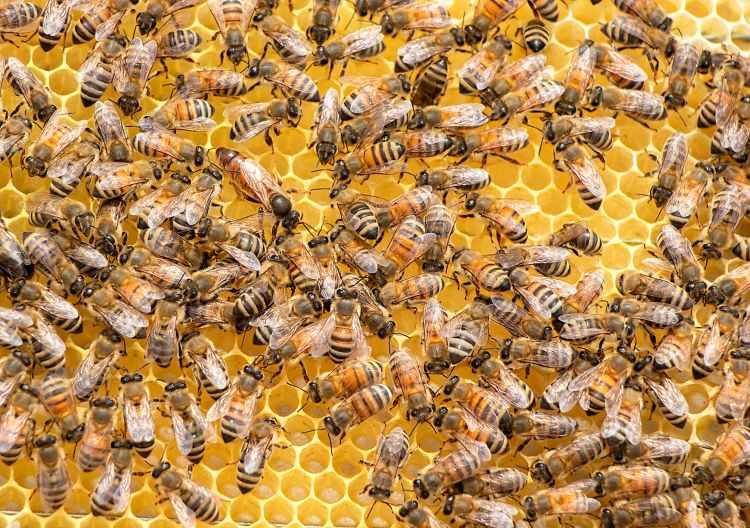
If the entomophagy is feeding about 2 billion people worldwide, are they caught from the wild or from the fields where they attack the crops? Definitely those will be in very limited in numbers and not going to sustain the growth of insects. Than..?
Insects are being commercially grown in factories. Yes. You read it right. Many companies across America, Europe and Africa had started commercially growing insects. Aspire Food Group, Small Stock Foods and Exoprotein are the major players in this sector. Even there are companies promoting self rearing of insects in small scale, for domestic uses. Visit tiny-farms.com for more details.To know about the companies and the countries they operate and the varieties of insects they farm, browse through smallstockfoods.com. It is a mini encyclopaedia regarding entomophagy.
Moreover ysect, semiosbiotechnologies, faunaphotonics,ISCAtechnologies, betahatch, hexafly, agroloop, nextprotein and aspire food group are some of the major companies involved in insect farming. Once again, the list is only indicative; not exhaustive. The companies are two kinds ones that cultivate insects for human consumption and the others which raise insects as a ingredient for animal feed.
Are insect eating really eco-friendly…?
“The math is simple,” writes Pat Crowley, creator of the hugely successful Chapul bars (protein bars made from cricket flour). “If we shift even a small fraction of our protein consumption to environmentally-friendly, healthy insects, we can reduce the huge amount of water… which irrigates the massive, mechanised farms that exist solely to feed cattle and pigs.”
True that..
Wait for my next post for entomophagy in India.
 Good Food....Good Mood.