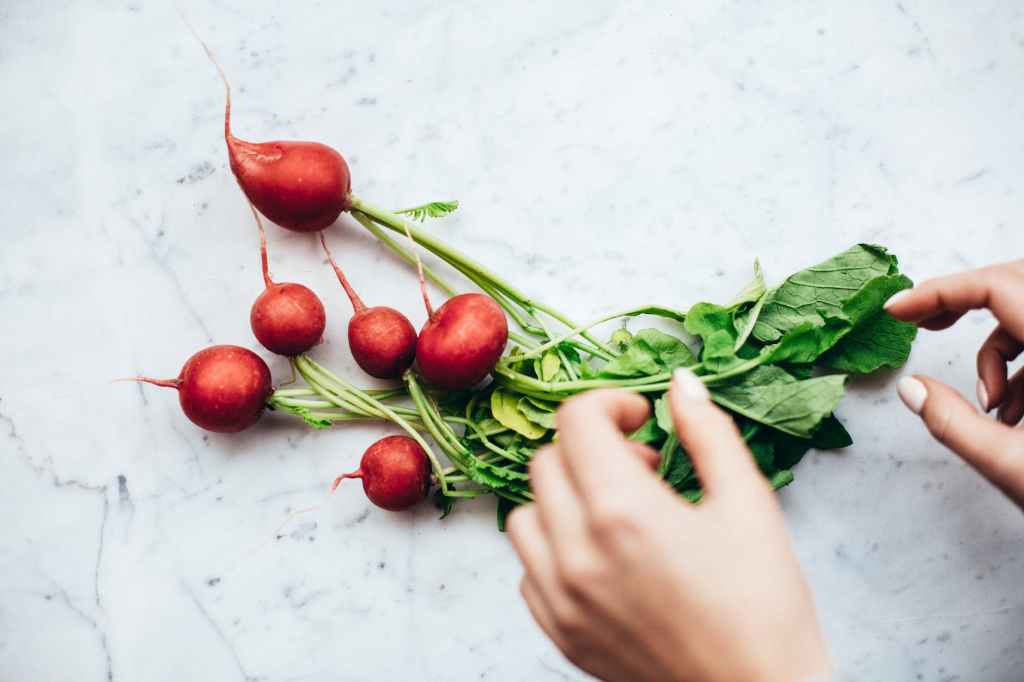
Next time when you sit down at your dining table, do take a look and ponder upon at the staples/vegetables/fruits/leafy greens on your plate.. how many of them reached your cooking table by foot/two wheeler/ trucks or flights….? And how many of them belong to that season of climate which you were eating…?
Foraging, the habit of eating hyper-local, seasonal and wild food is a dying tradition of late.According to evolutionists humans have inhabited the earth 3,50,000 years back . But it is only in the last 10,000 years that they stopped being nomadic hunters and settled into communities, cultivated crops, domesticated animals and learnt to ferment alcohol. Foraging or eating wild and seasonal food formed majority of their diet.Wild Food plants (WFP) or uncultivated foods, which once formed a majority of ingredients on many Indian regional cuisines, has been slowly disappearing from Indian diets. Leave alone eating , current generation can’t even identify wild foods ,easily passing them as weeds. We just ignore many edible parts of plants by sheer lack of knowledge about it. As one the famous forager Euell Gibbons once said, “ Ever eat a pine tree..? Many parts are edible..!!”. He is the author of the book ‘Handbook of edible wild plants’.

The main attraction of the wild plants is their seasonal and limited availability; Majority of them are blink-and-you-miss-it types. They can’t be cultivated as other regular crops are. They grow in the barren fields, forests and wilderness and mainly along the fences. Most attractive of them is they have medicinal value and are store house of many micronutrients and anti-oxidants which are critical for our nutritional security ( don’t confuse with calorie security) and overall well being. They also provide much needed diet-diversity to our food. In our country , records and studies say that about 800 species of leaves, fruits, stems, flowers, seeds, roots and rhizomes were eaten as a part of diet until recently. With four distinct seasons and being a tropical country and landscapes ranging from flood plains, coastal areas, mountains, forests and deserts, India is a treasure trove of wild foods. The edible wild plants are included into our diet after generations of trial and error from the primitive ages. Losing them out is simply losing of knowledge systems associated with those ingredients.
Increased urbanisation and rapid conversion of barren lands into residential and industrial parks are major threat to these uncultivated plants. Combined with modern commercial / industrial agriculture and improved logistics facilities, Wild foods are fast losing out to exotic vegetables at an alarming rate. Moreover eating exotic and out of season staples has become a lifestyle option and status symbol rather than wholesome eating.

Some of the famous wild foods available in the states.. the list is made from sifting of many articles and books and newspaper readings. I can’t vouch for the credibility. I will stand corrected if the list has any discrepancies. The list again is only indicative… not exhaustive.
Jammu&Kashmir – Kamal Kakdi, Haaq (leaves), Leh berries, Himalayan firethorn.
Uttarakhand – Rhododendron flowers, Seabuck thorns.
Delhi, Himachal – Common Mallow (Sonchala)
Sikkim – Bitter fiddle head ferns, wild Avocado .
Chhattisgarh, Odisha – Bohor bhaji, wild mushrooms ( grows immediately after first monsoon rains), Bauhinia leaves
Maharastra – Green Tuvar, Kadu khand, Katerimath
Andhra/Telangana – Water Spinach (Anne soppu), tender tamarind leaves
Karnataka – Wild mud crabs (larger Green and smaller Red claw varieties)
Kerala – Malabar spinach (Va), drumstick flower
Tamilnadu – Neem flower, tender tamarind.
The list is endless.
Many upscale restaurants and hotels have started promoting wild foods through their signature dishes or by organising wild food weeks. Started in 2004 by Noma, a famous 2 Michelin Star restaurant in Copenhagen , capital of Denmark, the wild and foraging foods are slowly catching up the trend. Noma popularises the foraged foods and cuisine of Scandinavian /Nordic – region. Masque, in our own backyard – Mumbai – has also started the tradition of putting up wild and foraged foods from Maharashtra and other parts of India. Meraki Restaurant – again in Mumbai also has wild foraged foods in its menu.
Moreover , many movements have started to popularise the wild, foraged food and trying to bring it to mainstream cuisine. Two of them are worth mentioning here: – TerraMadre ( Mother Earth): It is a network of food communities. launched by the Slow Food grass roots organisation to promote local eating.
Slow food International: Slow Food is an organisation that promotes local food and traditional cooking, founded by Carlo Petrini in Italy in 1986 and has worldwide branches.
We have our own Delhi Walk Festival – which conducts foraging walks between September and February and Kipepeo – Mumbai based travel company, which also conducts foraging walks for its travellers.BAIF Development Research Foundation –Theyregularly organise forest food festivals in Palghar, Ahmednagar, Pune, Gadchiroli and Nandurbar districts in Maharashtra with local tribal communities between August and October regularly. Vanvadi – A non-profit collective, conducts workshops, forest food walks and their Van Utsav (Forest Festival) in October every year.
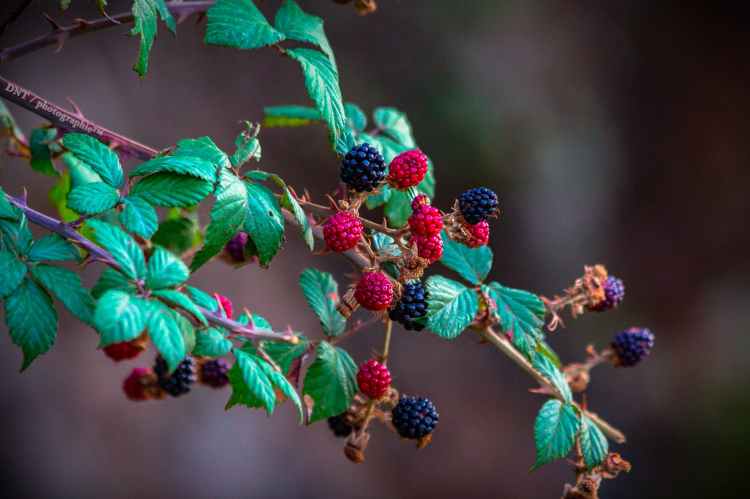
The list is endless.
Next time while mowing your lawns, farms or fences, look and think before you remove the weed which has grown abundantly. It could be one of the 800 species of edible wild plant….!!!
 Good Food....Good Mood.